


United States Holocaust Memorial Museum
This building is not simply a museum but a living institution dedicated to research, teaching, contemplation, and commemoration.
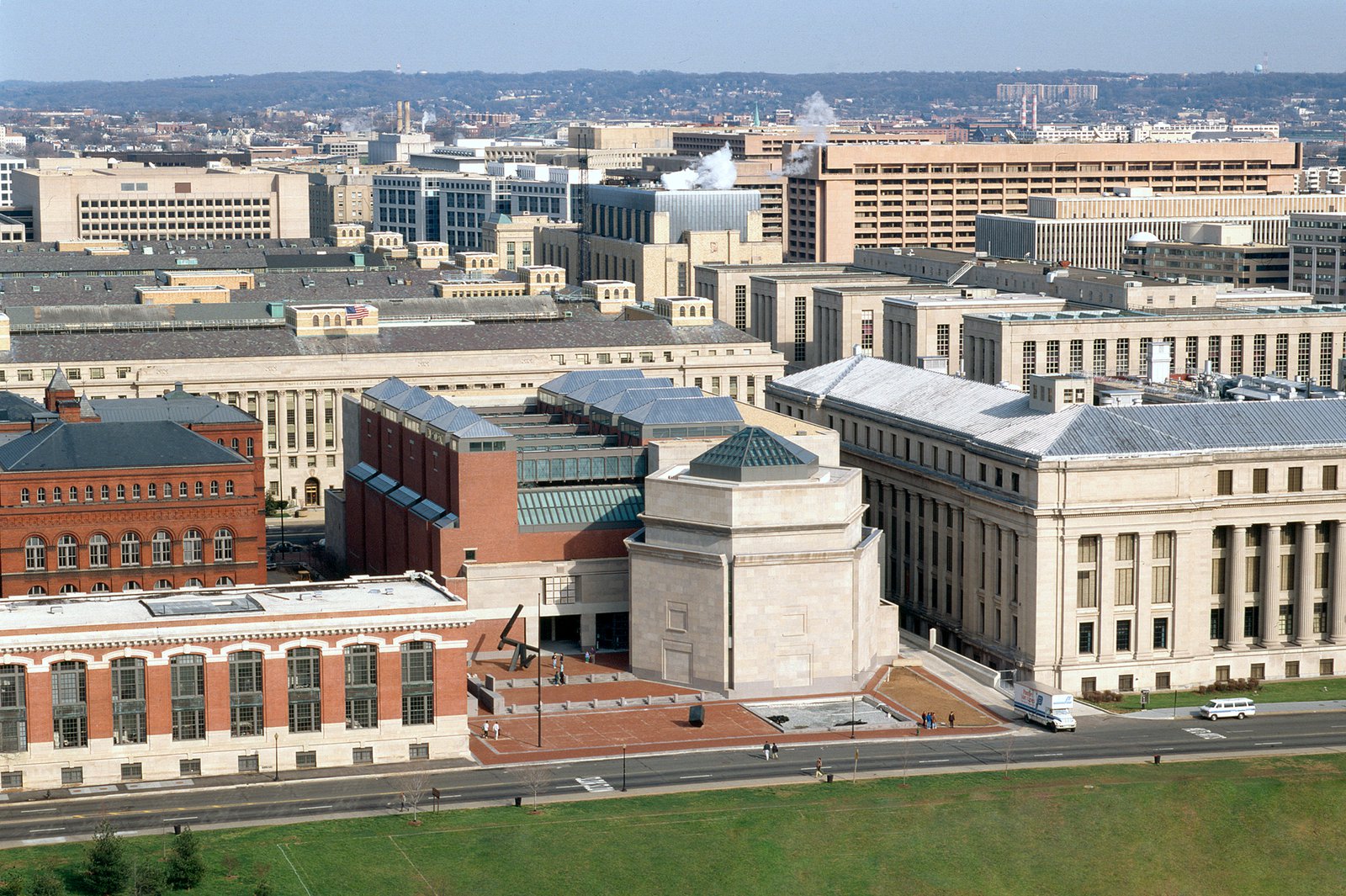
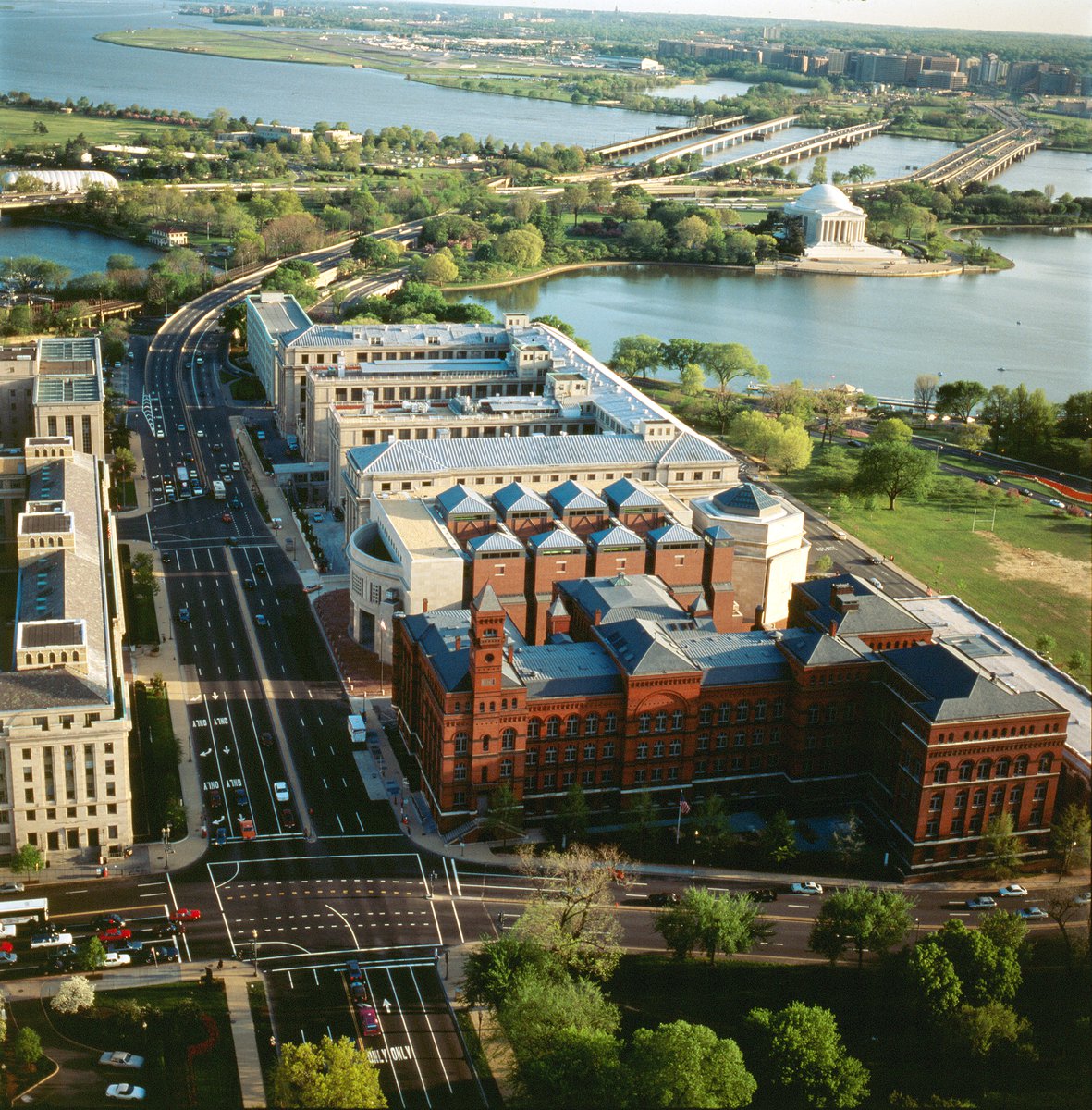
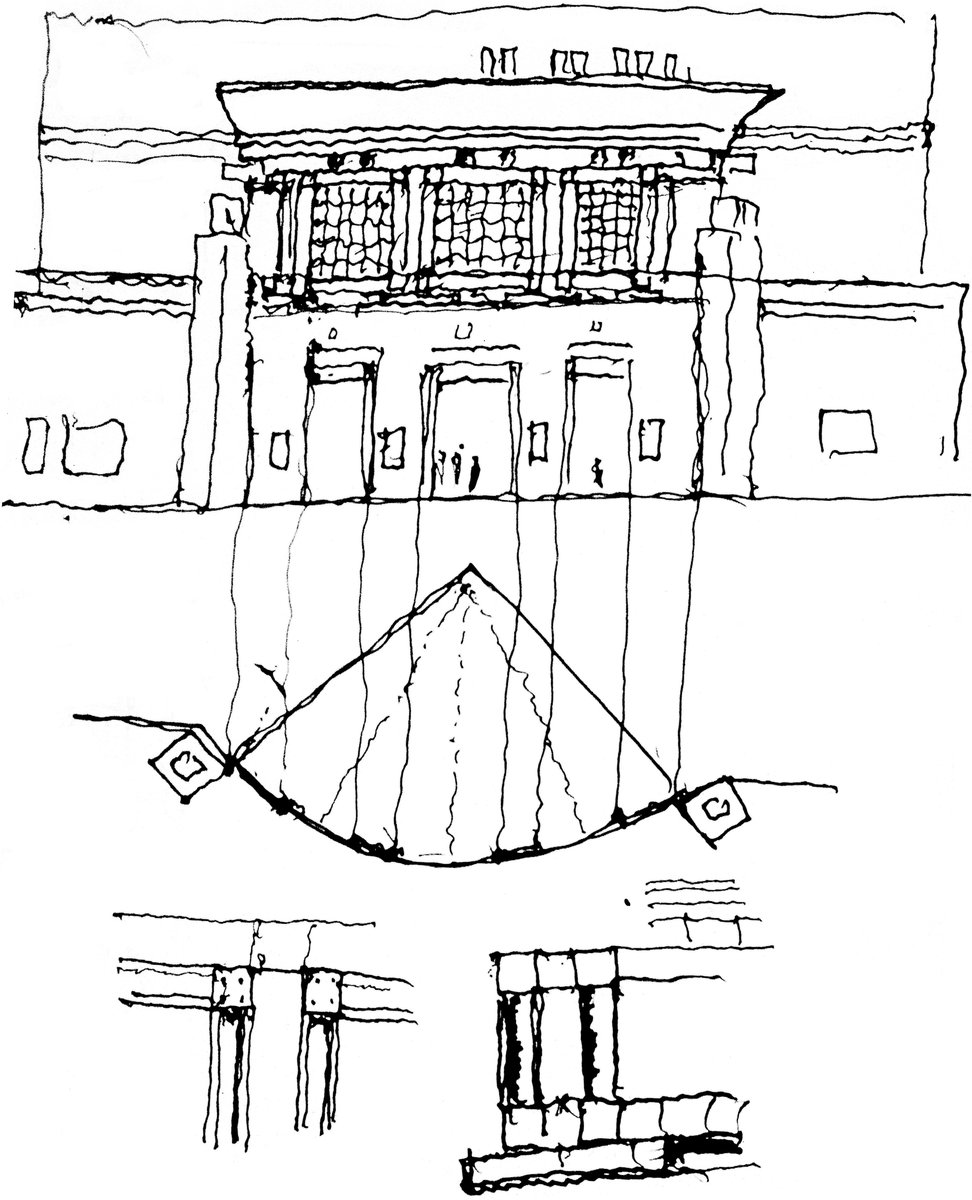
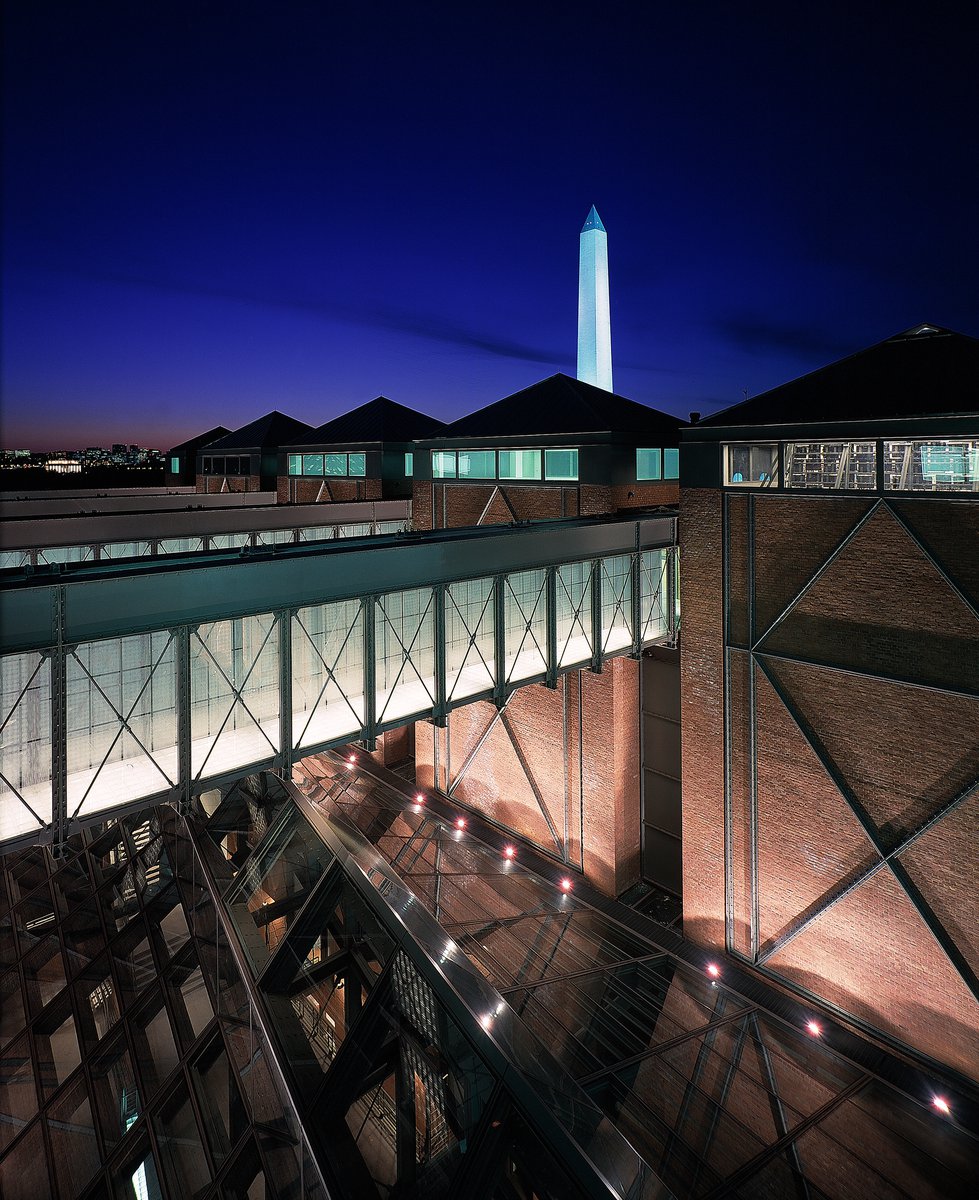
While the hybrid brick and limestone exterior helps to unify stylistically dissimilar neighbors, the main facade on 15th Street is a screen that aims for spatial and emotional disengagement from the city.
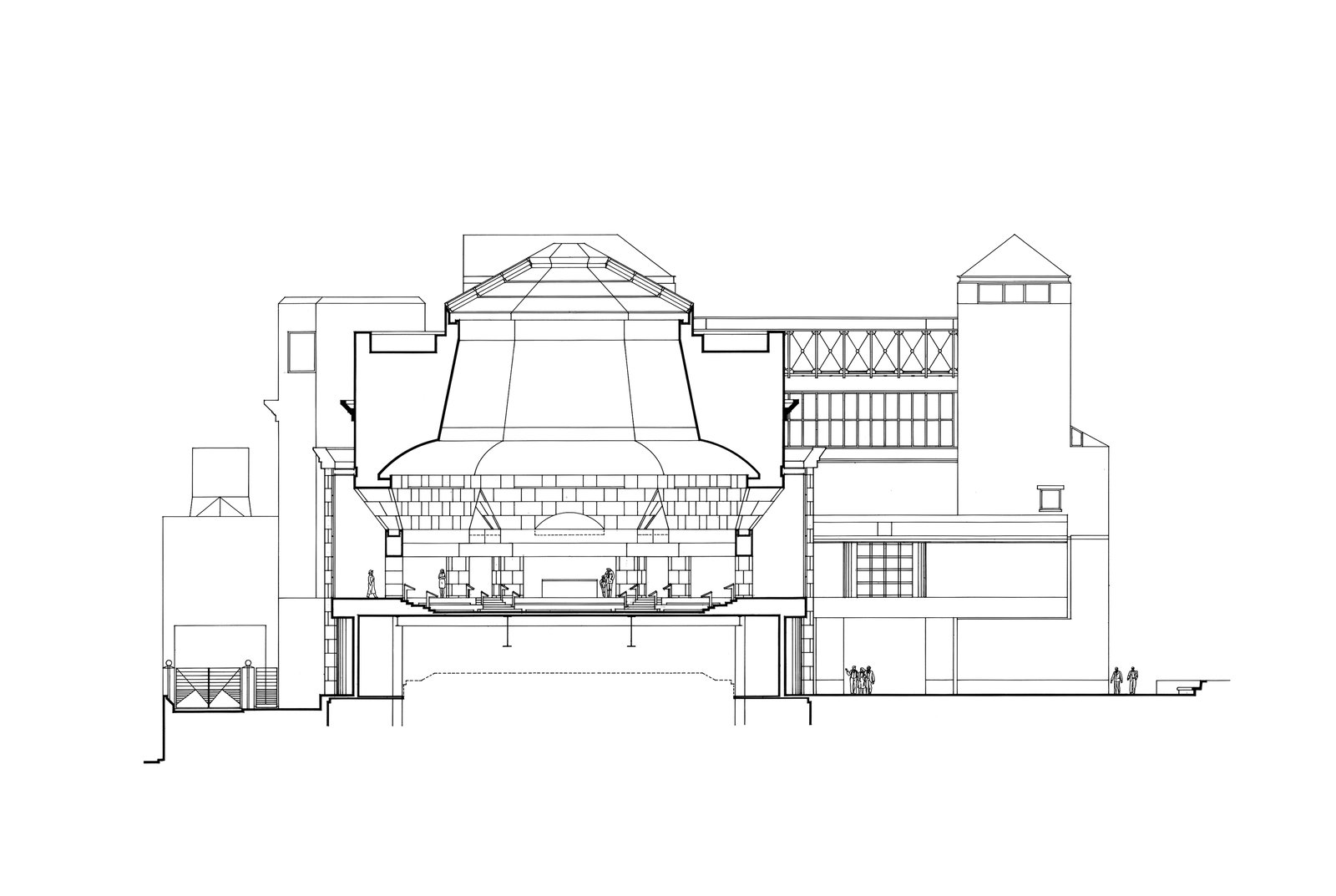
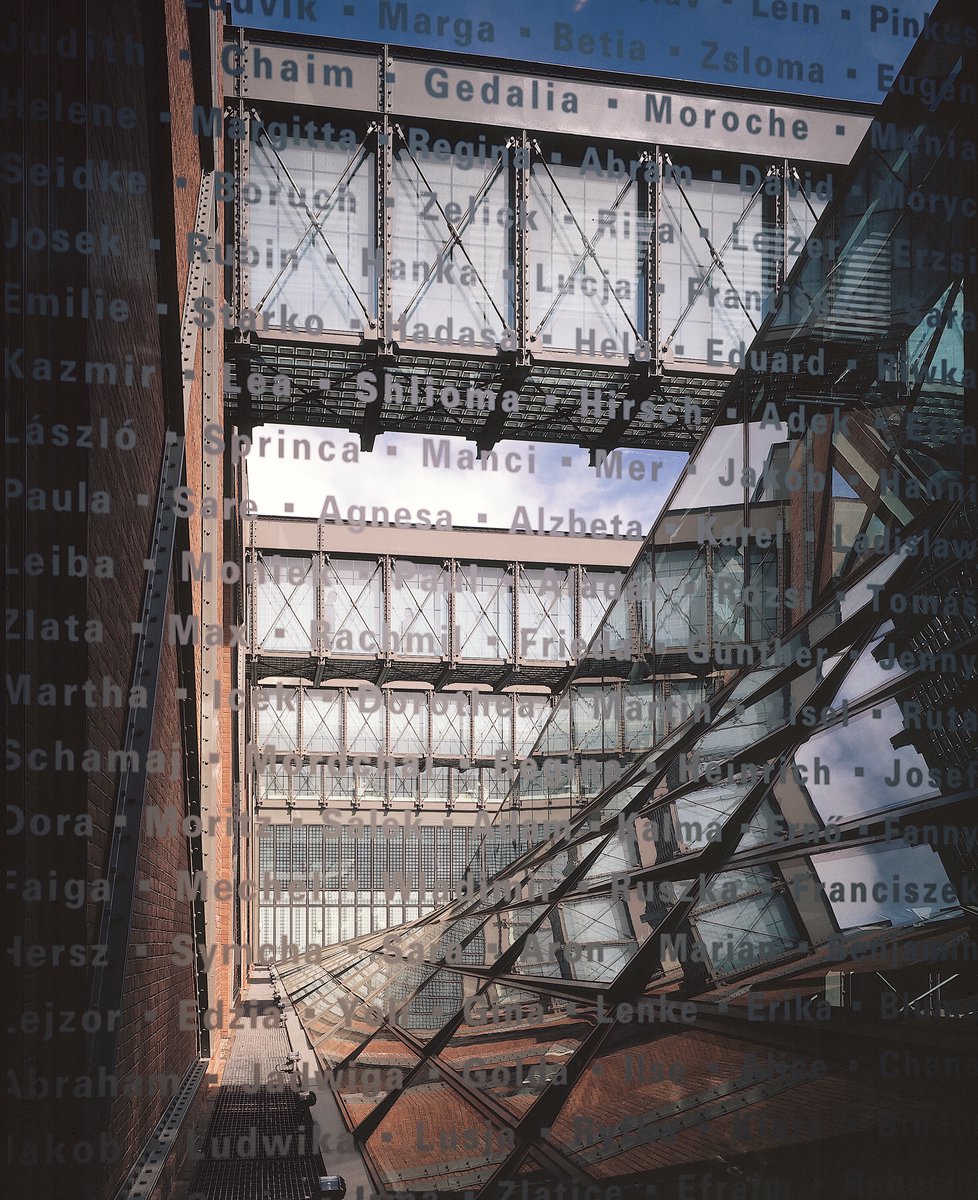
The museum is organized internally around the skylit Hall of Witness, a three-story arrival, distribution, and circulation center that infuses stairs, walls, layered space, and shadows with suggestive disquiet. The experience concludes in the hexagonal Hall of Remembrance, a quasi-freestanding memorial chamber filled with light and the emptiness of loss. Unlike the more public Hall of Witness, this solemn space and its eternal flame invite quiet contemplation.
Show Facts
Site
1.7 acres, a block-through site between 14th Street and 15th Street on the Washington Mall
Components
258,000 ft2 / 24,000 m2 gross area; permanent and temporary exhibition space, archives / research center / library, Hall of Witness, Hall of Remembrance, Hall of Learning, education and conference center, Meyerhoff Theater, cinema, bookstore, ceremonial courtyard, commissioned art
Client
The United States Holocaust Memorial Council, a federal agency established by Congress in 1980
PCF&P Services
Architecture, exterior envelope, interior design of public spaces
lead designer
Awards
National Honor Award
American Institute of Architects, 1994
The Sixth Annual Jewish Cultural Achievement Award
The National Foundation for Jewish Culture, 1994
Brick in Architecture Award
American Institute of Architects / Brick Institute of America, 1999
Architectural Achievement Award
New York Society of Architects, 1994
Award of Merit
American Institute of Architects, District of Columbia Chapter, 1999
Annual Tucker Award
Building Stone Institute, 1994
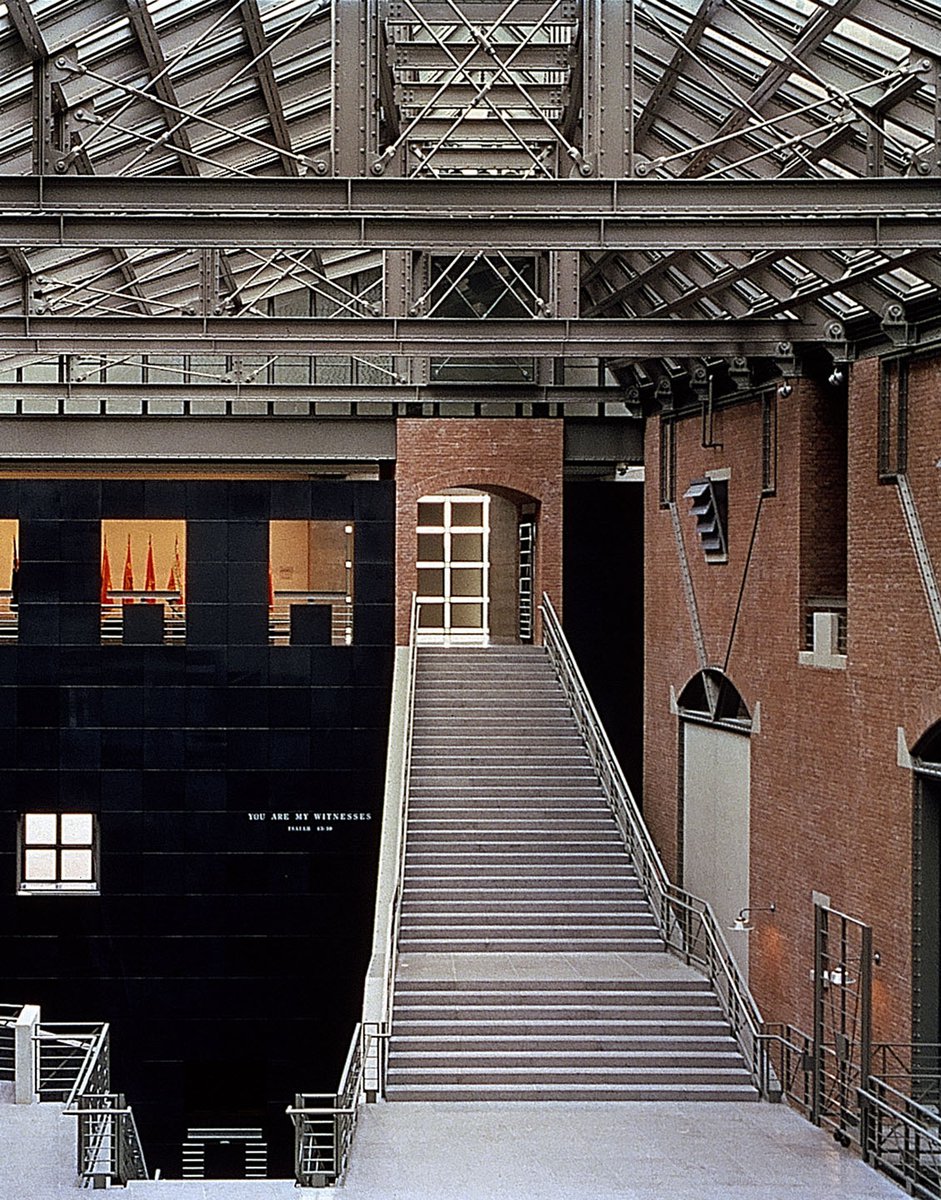
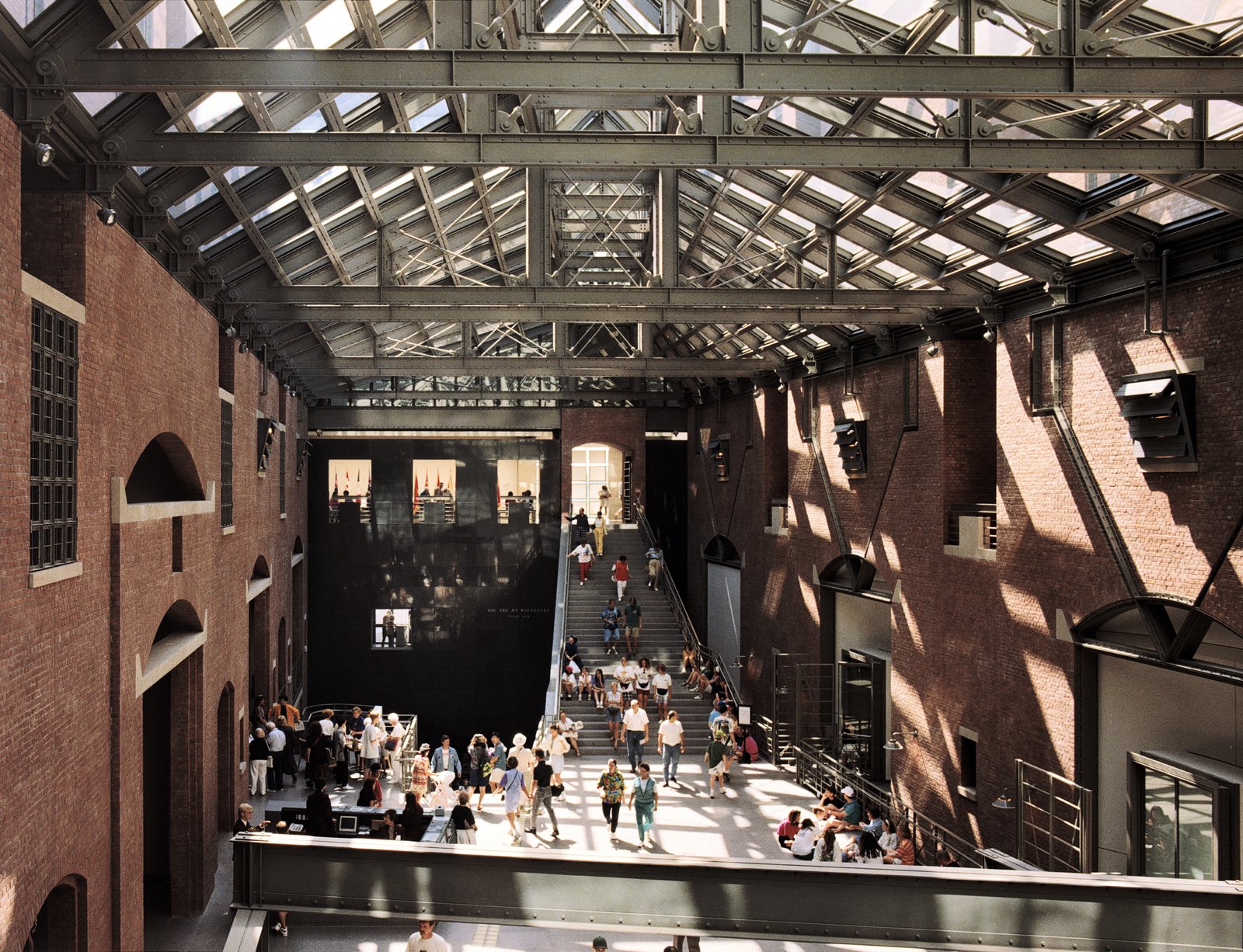
Industrial details serve as a reminder of the advanced technological apparatus that facilitated systematic atrocity.
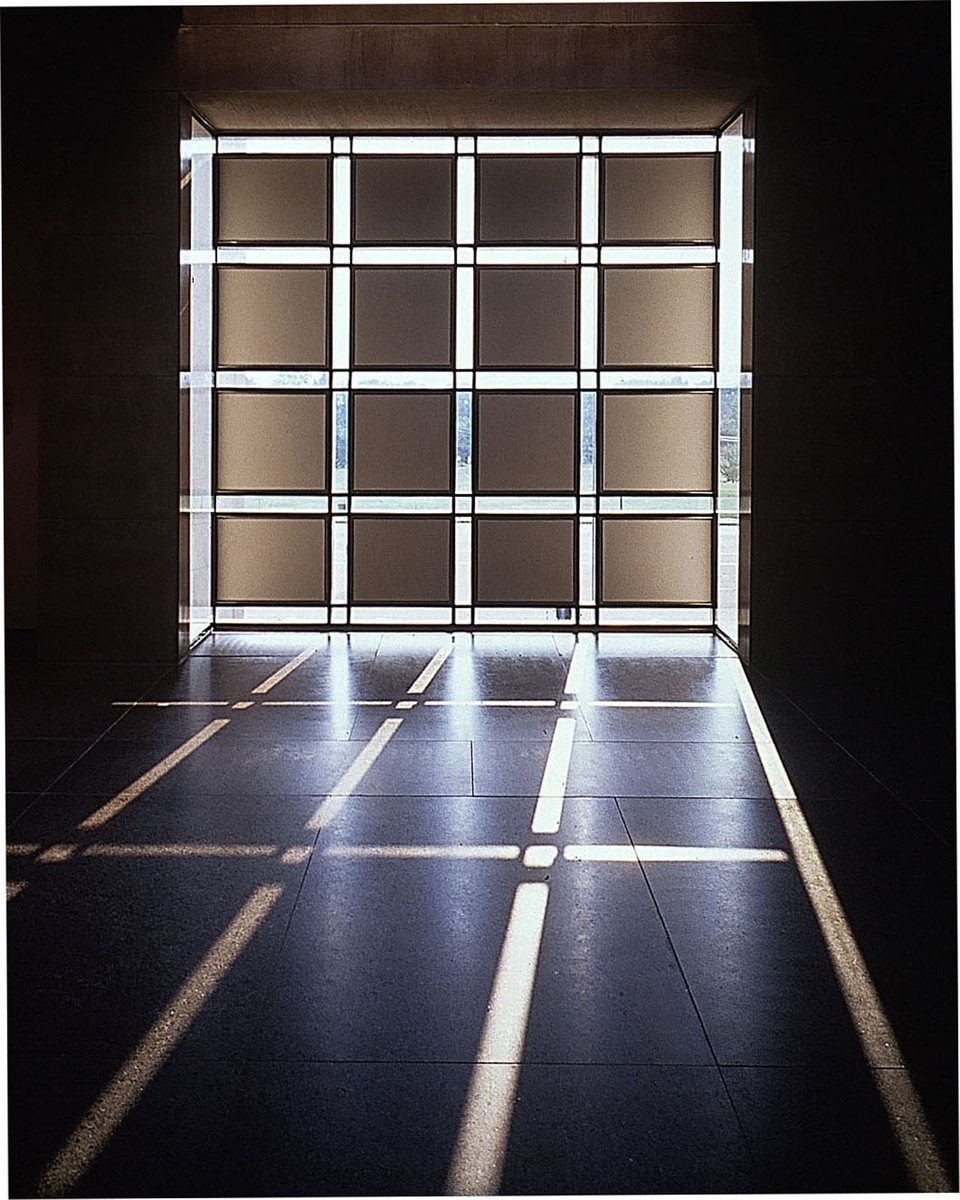
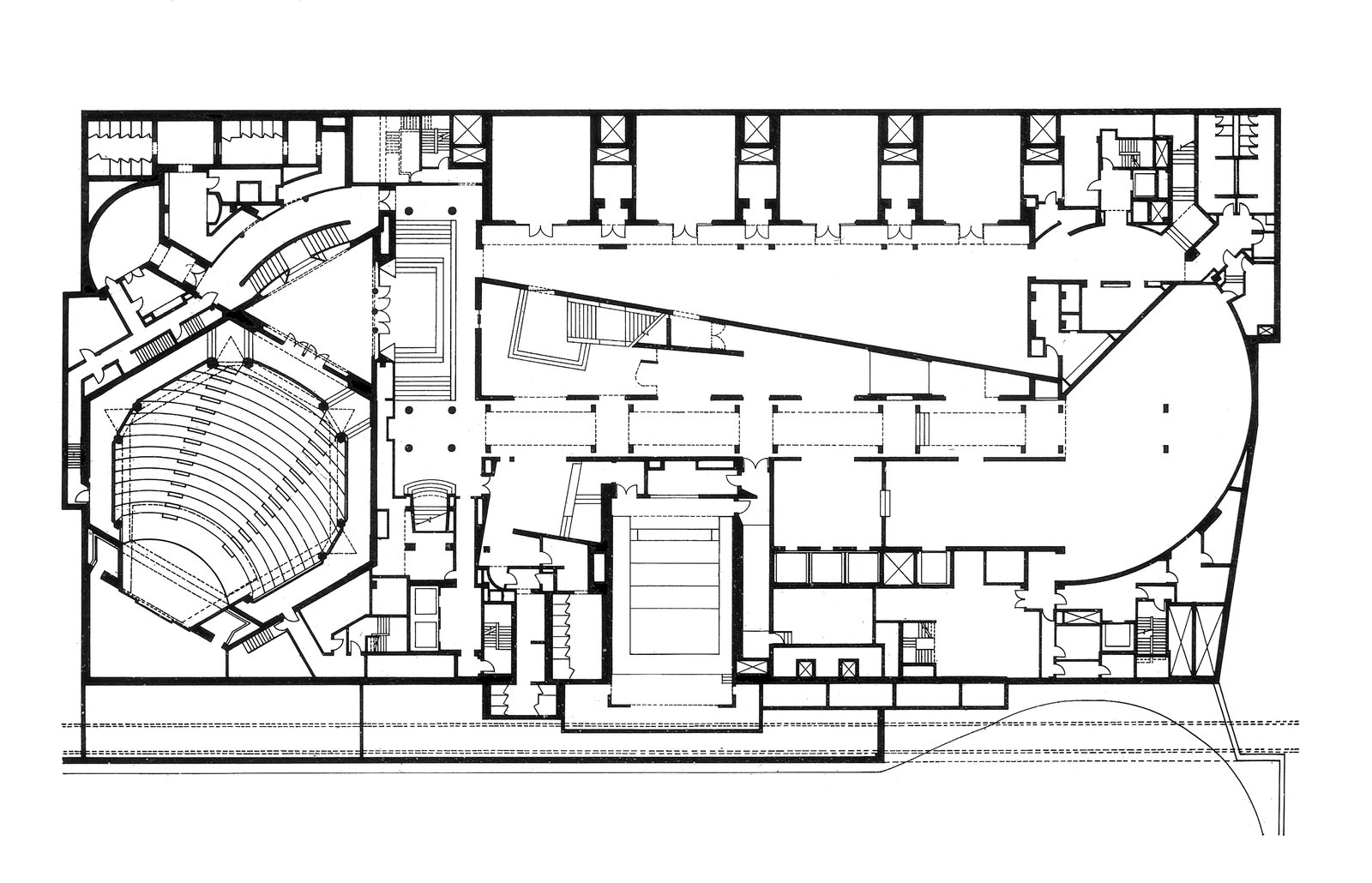
The architectural form is abstract and open-ended, allowing each individual to experience the space subjectively, through the lens of memory and personal history.
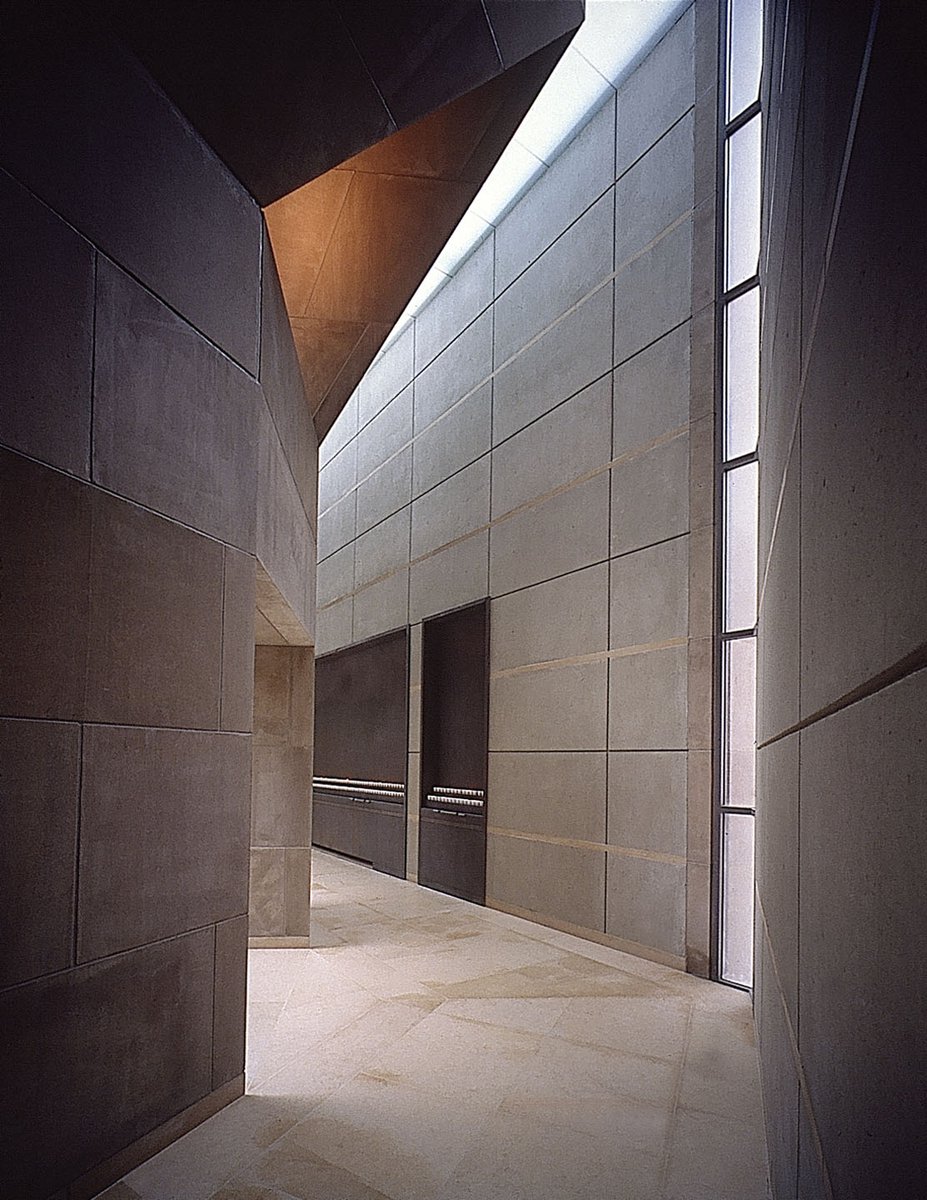
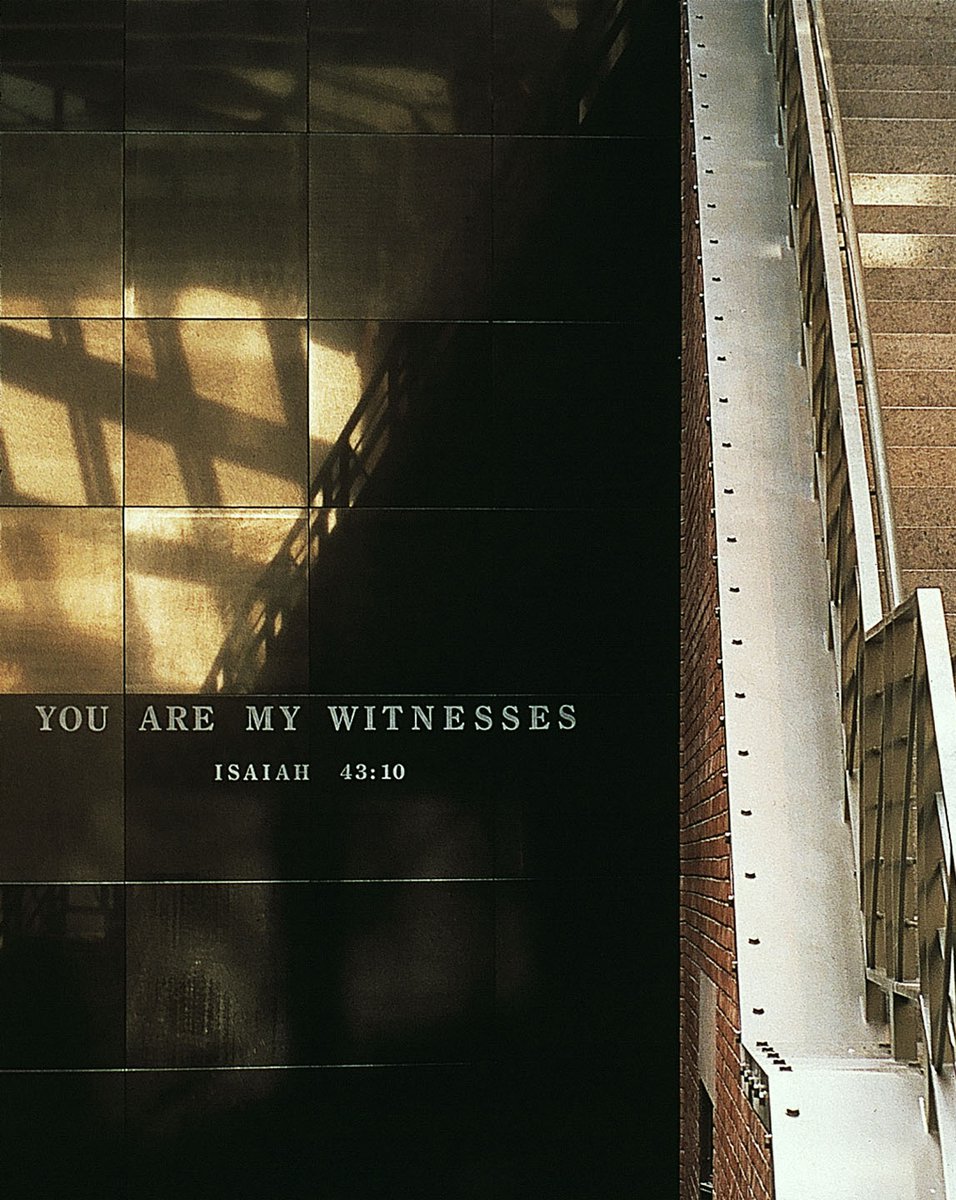
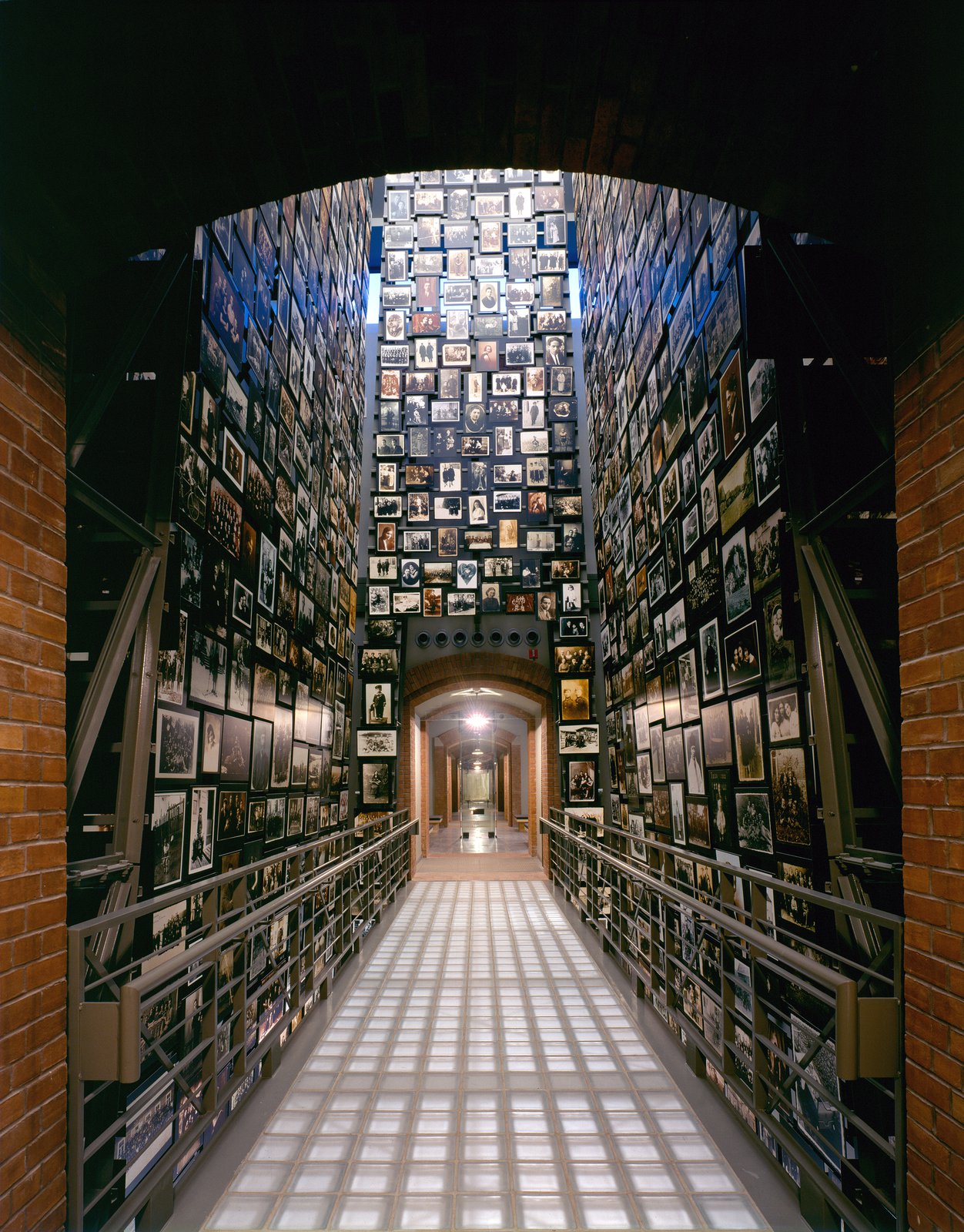
Exhibitions are arranged chronologically, in descending rotations around the central space. In the three-story Tower of Faces, visitors are surrounded by portraits of Lithuanian villagers whose entire community was massacred in two days.
Project Credits
Associate Architect: Notter Finegold & Alexander, Washington, D.C.; Structural: Weiskopf & Pickworth, New York; Mechanical / Electrical: Cosentini Associates, New York; Exhibit Design: Ralph Appelbaum Associates, Inc., New York; Lighting: Jules Fisher & Paul Marantz, New York; Theater: Jules Fisher Associates, New York; Images: Alan Gilbert, Pei Cobb Freed & Partners, Timothy Hursley